Best Phones 2025: Top 10 Android and iPhone devices
As we enter the final stretch of 2025, the smartphone market has never been more competitive. With breakthroughs in processing power, camera systems, display technologies, and battery life, this year’s flagships and value models push the envelope further than ever. In this article, we highlight the top 10 mobile phones you should consider this November — whether you’re after performance, photography, gaming, or value.
What Makes a “Top” Phone in November 2025
When evaluating the best phones this month, several key factors stand out:
- Performance & chipset – The latest premium phones are powered by next‑generation processors, enabling smoother multitasking, gaming, and AI features.
- Camera & imaging – 200 MP sensors, advanced zooms, and computational photography have become significant differentiators.
- Display & refresh rate – Expect high refresh rates (120Hz, 144Hz), LTPO panels, and bright HDR‑capable screens.
- Battery & charging – Larger battery capacities and faster charging speeds (wired and wireless) are now more common.
- Software support & ecosystem – Longevity through operating system updates, ecosystem integration (especially if you have other devices) and value for money.
- Value & segmentation – It’s not just about the ultra‑premium: some phones score big in the “sweet spot” segment.
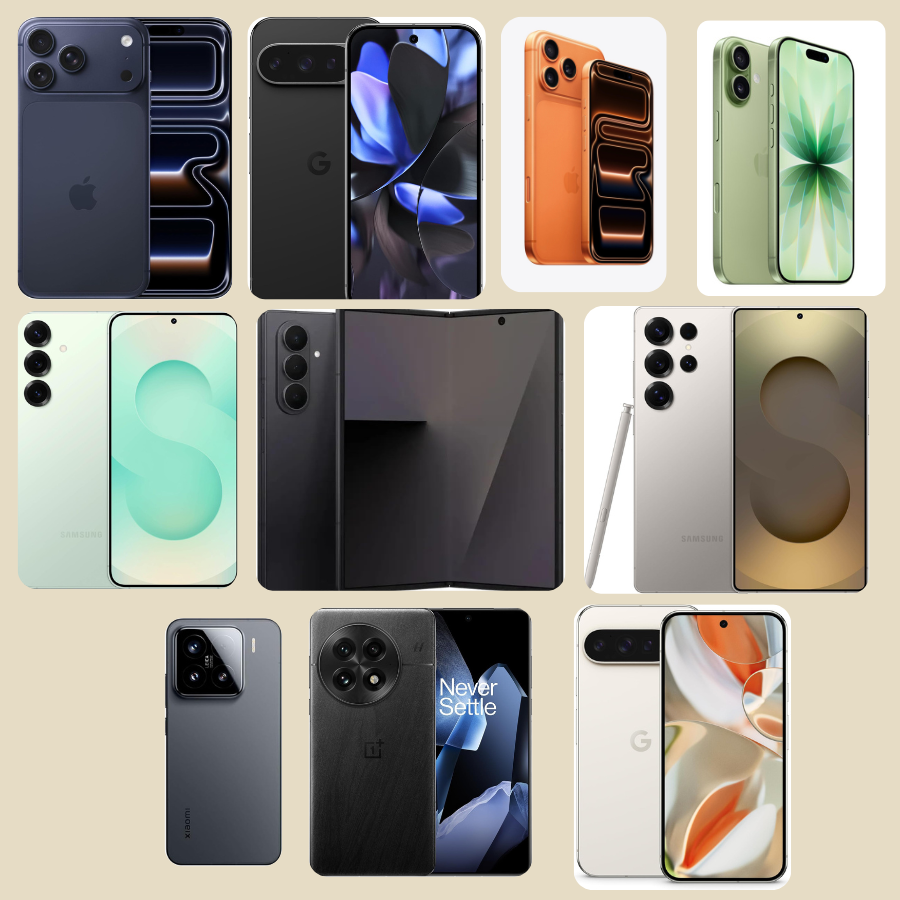
Top 10 Smartphones of 2025 – With Overall Summary
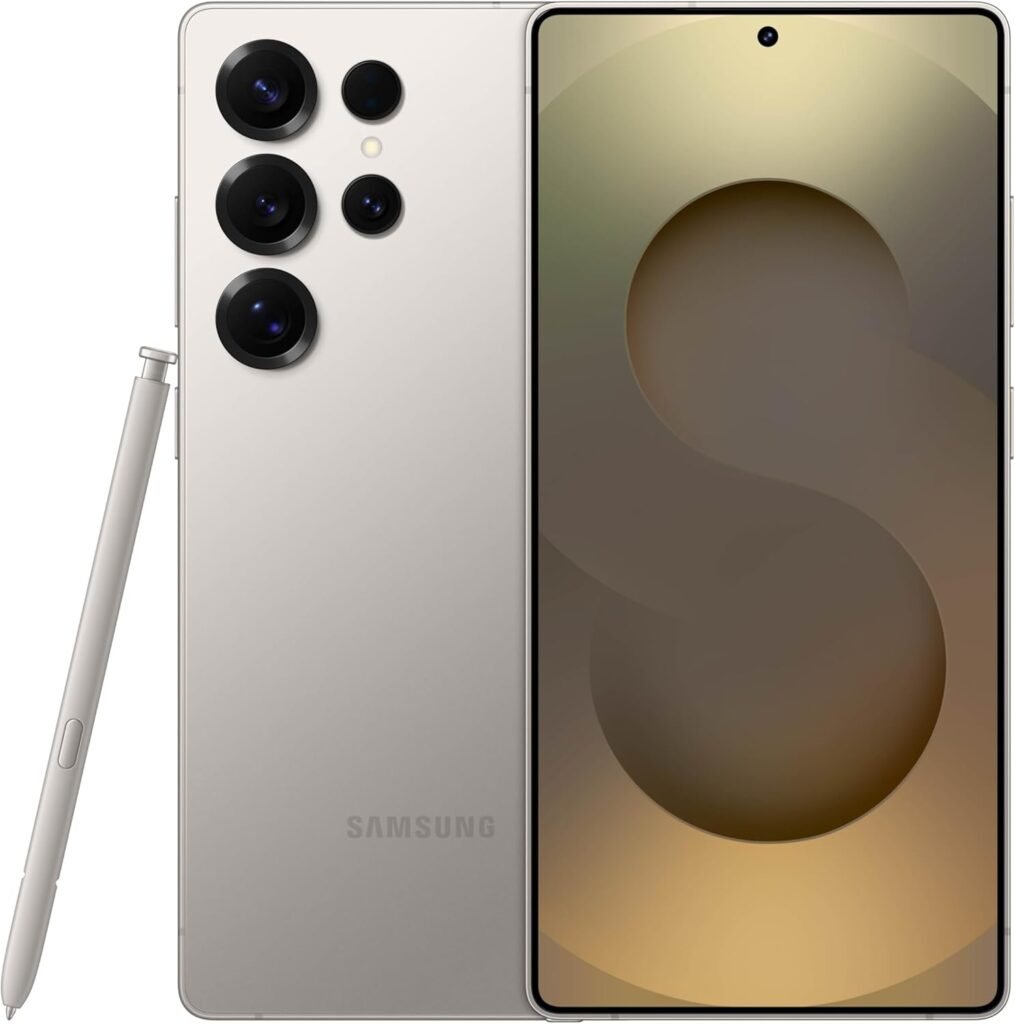
1. Samsung Galaxy S25 Ultra
Why Buy: Ultimate Android flagship with pro-level cameras, S-Pen, and longterm support. Ideal for power users and creators.
Pros:
- Snapdragon 8 Elite chip — unmatched performance.
- Dual telephoto lenses + excellent night photography.
- Strong battery life with fast charging.
- Long software support (up to 7 years).
- Premium build and S-Pen support.
Cons:
- Expensive flagship pricing.
- Large, bulky form factor.
- Some advanced features region-limited.
Overall Summary: A top-tier pick if you want the absolute best Android experience with no compromises. Only downside is the very high price and large size.
Read our full in-depth review here: Samsung Galaxy S25 Ultra Review.
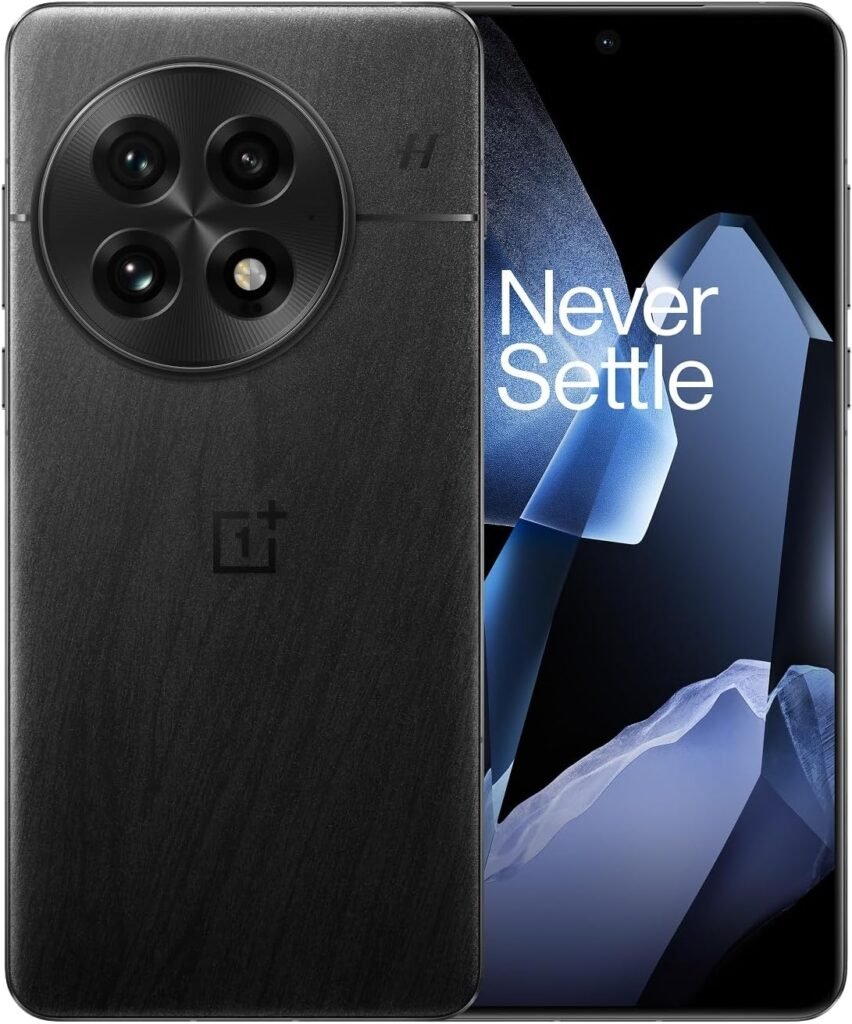
2. OnePlus 13
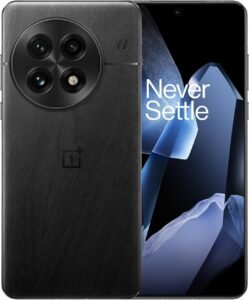
Why Buy: Flagship specs at a lower price, clean software, and solid performance make it a great value Android.
Pros:
- Snapdragon 8 Elite & high-refresh display.
- Premium design with fabric back variant.
- Long battery life & fast charging.
- Excellent value for flagship hardware.
- Responsive OxygenOS experience.
Cons:
- Shorter software support than Samsung.
- Camera slightly behind top-tier rivals.
- Some cost-cutting materials/features.
Overall Summary: A great pick if you want flagship experience without paying the ultra premium. Just be aware of some compromises compared to the very top phones.
Read our full in-depth review here: OnePlus 13 Review: Performance, Camera & Battery.
3. Google Pixel 9 Pro
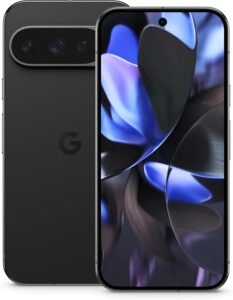
Why Buy: Best Android experience for photography, AI features, and pure software. Perfect for camera enthusiasts.
Pros:
- Exceptional computational photography.
- Long software support with pure Android.
- High-quality OLED display.
- Innovative AI features for productivity.
- Compact compared to ultra-flagships.
Cons:
- CPU/GPU slightly weaker than Snapdragon rivals.
- Pricey for Pro model.
- Moderate battery life.
Overall Summary: Ideal for photography and AI-focused users who want clean Android software. Slightly behind in raw performance but unmatched in camera features.
4. Apple iPhone 17

- 120Hz ProMotion display.
- Strong A19 chip & battery life.
- Long software support & resale value.
- Base storage increased to 256GB.
- Premium build with IP68 rating.
- Camera lacks Pro/Ultra features.
- Incremental upgrade over iPhone 16.
- Premium pricing vs non-Pro Androids.
5. Xiaomi 15 Ultra
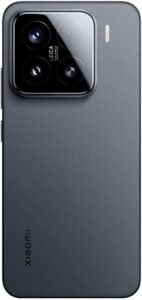
Why Buy: Camera-focused Android flagship with pro-level Leica optics. Ideal for photography enthusiasts.
Pros:
- Massive camera sensor + Leica optics.
- Snapdragon 8 Elite & premium build.
- Strong battery + fast charging.
- Stunning high-refresh display.
- Competitive pricing vs other premium devices.
Cons:
- Limited availability/support in some regions.
- MIUI software less polished than others.
- High price; some features secondary to camera.
Overall Summary: Perfect for photography lovers who want professionallevel hardware. A niche phone that excels in imaging but may not appeal to everyone.
6. Samsung Galaxy S25 Plus
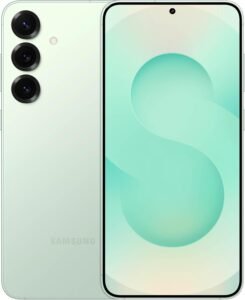
Why Buy: Mid-tier flagship retaining most Ultra features at lower cost. Great balance of features for everyday users.
Pros:
- Solid Snapdragon 8 Elite performance.
- Long software support (7 years).
- Excellent AMOLED display & premium feel.
- More manageable size than Ultra.
- Balanced features for daily use.
Cons:
- Fewer advanced features than Ultra.
- Modest upgrade over previous generation.
- Still expensive vs mid-range phones.
Overall Summary: A great pick if you want flagship experience without the Ultra price. Balanced performance and features make it ideal for most users.
7. Apple iPhone 17 Pro Max
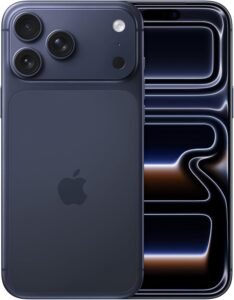
Why Buy: Largest iPhone with professional-grade cameras, top battery life, and media-focused features. Perfect for creators.
Pros:
- Outstanding battery life.
- Triple-camera system for pro photos/video.
- Large, premium display.
- Apple ecosystem & resale value.
- Advanced content creation features.
Cons:
- Extremely expensive.
- Large & heavy.
- Limited AI features vs Android rivals.
Overall Summary: Ideal for creators and power users who want the largest, most capable iPhone. Price and size may be limiting for casual users.
8. Samsung Galaxy Z Fold 7
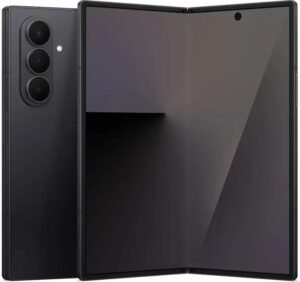
Why Buy: The Galaxy Z Fold 7 gives you a powerful flagship phone that unfolds into a mini-tablet, offering unmatched multitasking, a stunning large display, and top-tier performance in one device. It’s the most refined and versatile foldable Samsung has made.
Pros:
Ultra-thin and lightweight for a foldable.
Large 8″ inner display + usable 6.5″ cover screen.
Powerful performance (Snapdragon 8 Elite) with strong multitasking.
Flagship-level 200 MP camera with ProVisual engine.
Long-term support + Galaxy AI features.
Cons:
Very expensive.
Charging is slow (25W wired / 15W wireless).
No S Pen support.
Overall Summary: A refined, ultra-premium foldable that delivers a true “phone + mini-tablet” experience with top-tier performance, a stunning screen, and a powerful camera — but comes at a high price and with compromises like slow charging and no stylus.
9. Apple iPhone 17 Pro
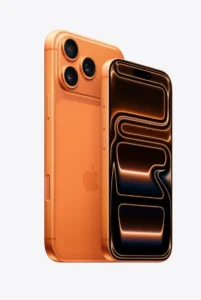
Why Buy: Premium Pro iPhone with advanced cameras in a smaller size than Max. Ideal for users seeking Pro features without the largest phone.
Pros:
- A19 Pro chip & premium build.
- Advanced camera suite.
- Long software support & ecosystem benefits.
- Manageable size compared to Max.
- Excellent resale value.
Cons:
- Expensive. Smaller battery than Max.
- Upgrade feels modest unless using Pro features extensively.
Overall Summary: Best for users wanting a Pro-level iPhone in a slightly smaller, more manageable package. Offers flagship features without Max bulk.
10. Google Pixel 9 Pro XL

Why Buy: Larger Pixel flagship with all 9 Pro features, bigger display, and battery. Ideal for power users who value screen size.
Pros:
- Same AI/camera strengths as Pixel 9 Pro.
- Bigger display & battery.
- Long software support.
- Premium build & storage options.
- Excellent for multitasking & media.
Cons:
- Large size may feel unwieldy.
- Higher price due to XL form factor.
- Tensor performance slightly behind Snapdragon rivals.
Overall Summary: Great for users who want a bigger Pixel with full AI and camera capabilities. Size and price may be a consideration for some.
Conclusion
Whether you’re upgrading from a phone that’s a few years old or buying your first 5G device, there’s never been a better time to choose. By November 2025, the market offers stellar options across budgets, needs, and ecosystems. Focus on what matters most to you — camera, performance, value, size, ecosystem — and one of the models above is likely a great fit.